Evaluating Mehndi Hand Floral: Design Characteristics, Practical Tradeoffs, and Style Comparisons
Selecting the appropriate henna design requires balancing aesthetic preference with practical lifestyle considerations. Among the vast array of traditional and contemporary patterns, Mehndi Hand Floral occupies a distinct middle ground between dense, ceremonial coverage and sparse, minimalist line work. For adults researching options for weddings, cultural events, or personal adornment, understanding the specific attributes of floral-centric designs is essential for making an informed choice. This style prioritizes organic symmetry and negative space, offering a versatile alternative to more rigid geometric or heavily shaded styles.
Unlike full-hand bridal coverage that can take hours to apply and days to maintain, Mehndi Hand Floral designs typically focus on central motifs surrounded by deliberate empty space. This distinction affects not only the visual outcome but also the application time, stain intensity, and longevity of the art. When comparing resources or consulting with artists, it is helpful to evaluate this category based on its structural composition rather than viewing it merely as a decorative subset of general henna art.
Distinguishing Features of Floral-Centric Henna
To accurately compare Mehndi Hand Floral against other categories, one must first understand its defining technical elements. While many henna styles incorporate flowers, a true floral-dominant design treats botanical forms as the primary architectural structure rather than background filler.
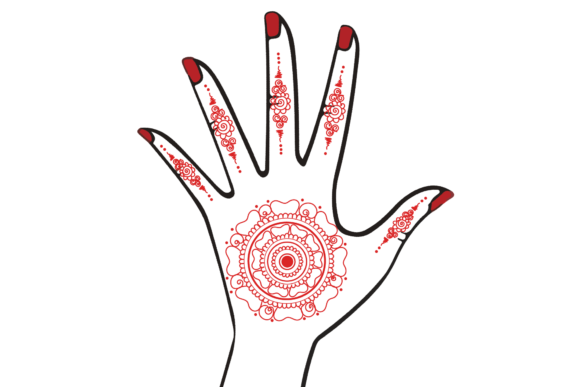
- Centralized Composition: Most Mehndi Hand Floral designs anchor around a central bloom on the back of the hand or palm. Vines and leaves radiate outward in a balanced, often symmetrical, arrangement that follows the natural anatomy of the hand.
- Strategic Negative Space: The skin itself acts as a design element. By leaving 40% to 60% of the skin bare, the contrast makes the dark henna stain appear more vibrant. This differs significantly from Pakistani or Indian bridal styles where skin visibility is minimized.
- Organic Flow vs. Geometric Rigidity: Where Arabic mehndi relies on bold, diagonal spacing and Moroccan styles utilize precise geometric tessellations, floral designs emphasize curved lines and naturalistic shading. The flow is intended to soften the appearance of the hand.
- Modular Scalability: Floral motifs are inherently modular. A design can be expanded to include fingertips or wristbands without losing coherence, or condensed to a single central mandala-flower hybrid depending on the wearer's preference.
Comparing Mehndi Hand Floral to Alternative Styles
When evaluating henna options, it is useful to place Mehndi Hand Floral directly alongside other popular categories. Each style serves different functional and aesthetic needs, and the "best" option depends entirely on the specific context of the event and the wearer’s daily routine.
Floral Designs vs. Traditional Bridal Coverage
Traditional bridal mehndi is characterized by density. It often covers the entire hand and forearm with intricate micro-patterns, peacocks, and figurative elements. In comparison, Mehndi Hand Floral offers a significantly lower time commitment. Application for a standard floral design typically ranges from 30 to 60 minutes per hand, whereas full bridal coverage can require four to eight hours.
The tradeoff lies in the ceremonial weight and stain duration. Dense packing of henna paste generates heat, which facilitates a darker, longer-lasting stain. Because floral designs use less paste and expose more skin to air during the drying process, the resulting color may be slightly lighter and fade faster. For guests at a wedding or professionals attending a formal event who cannot afford week-long dark stains, the floral style provides elegance without the extended commitment of bridal art.
Floral Designs vs. Minimalist Line Work
Minimalist or "finger-only" henna has gained popularity for its subtlety. However, some find these designs too sparse for significant celebrations. Mehndi Hand Floral bridges this gap. It offers substantial visual presence and artistic complexity that finger rings or simple vines lack, yet it avoids the heaviness of full coverage. For individuals comparing options for engagement parties or pre-wedding festivities, floral designs provide a festive aesthetic that feels intentional rather than accidental, while still allowing for easy hand washing and daily functionality.
Floral Designs vs. Geometric/Moroccan Styles
Geometric styles rely on precision, straight lines, and mathematical repetition. They offer a modern, structured look that appeals to those preferring order over organic forms. Mehndi Hand Floral is inherently softer and more forgiving. If an artist’s line work is imperfect in a geometric design, the error is glaring; in a floral design, slight variations can mimic natural botanical irregularities. For those evaluating artists with varying skill levels, floral patterns often yield more consistent results across different experience tiers compared to the exacting standards of geometric art.
Practical Decision Factors and Tradeoffs
Beyond aesthetics, several logistical factors should influence the decision to choose Mehndi Hand Floral. Understanding these tradeoffs helps prevent dissatisfaction with the final result or the wearing experience.
Stain Predictability and Skin Chemistry
Because floral designs rely heavily on negative space, the quality of the stain on the applied lines becomes paramount. There is no surrounding shading to mask a weak stain. Individuals with resistant skin chemistry or those who frequently wash their hands should be aware that isolated floral lines may fade unevenly. In such cases, requesting slightly bolder line work or adding subtle background stippling can improve longevity without sacrificing the floral aesthetic. Conversely, those with highly receptive skin will find that the open design prevents the "muddy" look that sometimes occurs when dense designs bleed together on porous skin.
Application Comfort and Drying Time
Henna paste restricts movement while wet. The moderate coverage of Mehndi Hand Floral allows for greater mobility during the drying phase compared to full-hand designs. Users can often manage basic self-care tasks (with assistance) more easily than with heavy coverage. However, because the design is open, the edges of the paste dry faster and may crack if not sealed properly. When comparing aftercare protocols, floral designs benefit significantly from a lemon-sugar sealant or medical tape wrapping to maintain moisture contact with the skin, ensuring the isolated lines develop fully.
Versatility Across Occasions
A key strength of Mehndi Hand Floral is its contextual adaptability. It reads as traditional enough for religious ceremonies yet contemporary enough for corporate galas or casual gatherings. If you are evaluating a single design choice for multiple events, this style offers the highest return on versatility. Heavy traditional designs may feel out of place in secular or professional settings, while ultra-minimalist designs may seem underdressed for cultural rituals. Floral mehndi navigates this spectrum effectively.
When to Choose Alternatives Instead
Despite its versatility, Mehndi Hand Floral is not the optimal solution for every scenario. Recognizing when to pivot to another style is part of a thorough evaluation process.
- Maximum Stain Duration Required: If the goal is a stain that lasts three weeks or more (e.g., for a bride post-wedding), the open nature of floral designs is a disadvantage. Opt for densely packed traditional styles or Indo-Arabic fusion designs that maximize paste-to-skin contact.
- Desire for Modern/Edgy Aesthetics: For those seeking avant-garde, abstract, or tattoo-mimicking visuals, traditional florals may appear too classic or romantic. White henna (body paint) or black jagua gel in geometric or script styles may better serve this aesthetic preference.
- Corrective Camouflage: If the intent is to cover scars or hyperpigmentation, the negative space in floral designs will leave areas exposed. Solid fill techniques or dense shading patterns are necessary for effective coverage.
- Extreme Time Constraints: While faster than bridal henna, a quality floral design still requires 30+ minutes of stillness plus drying time. For events requiring instant results or zero downtime, press-on henna stickers or metallic body jewelry are functional alternatives, albeit with significantly reduced authenticity and longevity.
Evaluating Artist Portfolios for Floral Competency
Not all henna artists specialize in botanical illustration. When reviewing portfolios specifically for Mehndi Hand Floral, look beyond the overall photo quality. Assess the following technical indicators:
- Petal Definition: Do the flowers have distinct, layered petals, or do they resemble amorphous blobs? Skilled floral work shows depth through line weight variation.
- Vine Connectivity: Are the connecting stems fluid and purposeful, or do they look like disconnected doodles? Strong floral designs integrate vines as structural supports, not afterthoughts.
- Symmetry Balance: While perfect symmetry is rare in hand-applied art, the design should feel balanced. Check if the artist adapts the floral scale to fit different hand sizes proportionally.
- Negative Space Management: Is the empty space shaped intentionally, or is it just leftover area? In expert Mehndi Hand Floral, the skin forms recognizable shapes between the blooms.
By applying these evaluation criteria, adults can move beyond subjective preference and make evidence-based decisions about whether Mehndi Hand Floral aligns with their specific needs, timeline, and aesthetic goals. This analytical approach ensures satisfaction regardless of whether the final choice is floral, geometric, traditional, or an entirely different medium.