Water Color Floral Elements: Elevating Digital and Print Design with Handpainted Versatility
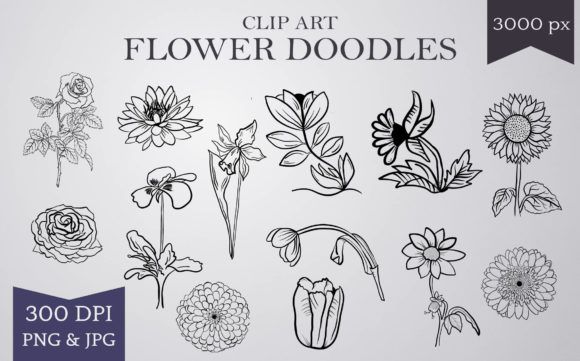
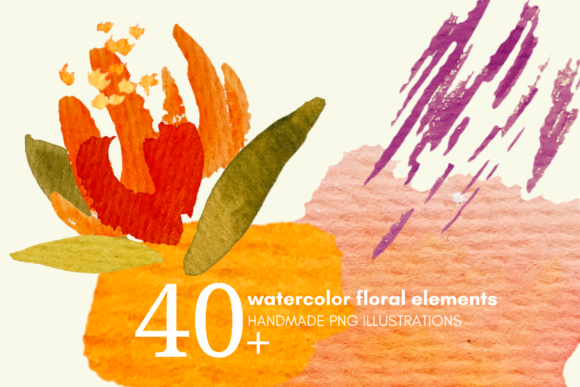
In an era where digital saturation often leads to visual fatigue, the organic imperfection of handpainted watercolor floral pattern elements has emerged as a powerful antidote. These are not merely decorative assets; they represent a shift toward authenticity in visual communication. For creators, entrepreneurs, and designers navigating the space between digital content and physical products, high-quality water color floral elements serve as a bridge. They offer the warmth of traditional artistry combined with the technical flexibility required by modern workflows. Whether you are designing a wedding suite or curating an Instagram feed, the ability to utilize unique hand-drawn doodles as PNG files transforms static designs into dynamic, personalized experiences.
The Renaissance of Organic Texture in Modern Workflows
The resurgence of watercolor aesthetics is directly tied to changing user expectations and market preferences. Audiences have become adept at filtering out polished, corporate sterility. In response, professionals across industries are seeking assets that convey humanity and craftsmanship. Water color floral elements fit this need precisely because they retain the visible brushstroke, the bleed of pigment, and the natural variation of hand application. This texture signals effort and care, qualities that are increasingly valuable in automated environments.
This trend extends beyond simple nostalgia. It reflects a practical adaptation to multi-platform branding. A business owner today must maintain visual consistency across a website, social media channels, packaging, and printed collateral. Handpainted florals provide a cohesive visual language that translates seamlessly from a pixelated screen to textured paper stock. Unlike vector graphics which can sometimes feel cold or repetitive, watercolor elements bring a sense of bespoke luxury that elevates perceived value without requiring custom illustration for every single project.
Technical Flexibility: The Power of Transparent PNGs
The utility of these artistic resources lies heavily in their file format. Unique hand-drawn doodles as PNG files are the industry standard for a reason. The transparent background allows for non-destructive editing, enabling designers to layer botanical motifs over photographs, colored backgrounds, or other textures without awkward white boxes interrupting the composition. This "cut and paste" capability is fundamental to efficient creative production.
For users of platforms like Canva, these PNG elements democratize high-end design. You do not need advanced proficiency in Adobe Photoshop to create professional-grade layouts. By importing transparent watercolor florals, users can drag, drop, and manipulate assets intuitively. This accessibility empowers freelancers and small business owners to produce marketing materials that rival agency work. Furthermore, because these files are raster-based with high resolution, they maintain integrity when used as digital stickers on social stories or when scaled for print textiles. The key is sourcing or creating elements with sufficient DPI (dots per inch) to ensure that the delicate edges of the watercolor remain crisp whether viewed on a smartphone or printed on linen.
Social Media Strategy: Engagement Through Visual Softness
On platforms like Instagram, where algorithm changes frequently prioritize engagement and dwell time, aesthetic cohesion matters. Water color floral elements function as excellent social media elements because they soften the hard edges of promotional content. A sales announcement overlaid on a stark white background can feel aggressive; the same text nestled among handpainted eucalyptus or peony branches feels like an invitation rather than a demand.
Creators are increasingly using these elements to build recognizable brand identities. By selecting a specific palette or floral variety and using it consistently across posts, stories, and highlights, you create a visual anchor for your audience. Digital stickers derived from watercolor paintings add a tactile dimension to ephemeral content. When followers see a consistent use of organic art, it reinforces brand recall. Moreover, the versatility of these elements allows for rapid content iteration. A single set of floral PNGs can be recolored to match seasonal campaigns, resized to fit different aspect ratios, and rearranged to prevent visual redundancy, ensuring your feed remains fresh while staying on-brand.
From Screen to Fabric: Creating Seamless Patterns
One of the most significant practical applications of water color floral elements is the creation of surface patterns for physical goods. The transition from individual digital stickers to great seamless patterns requires a thoughtful approach to composition. Designers must recolor, resize, and rearrange individual motifs to create a repeat that flows naturally without obvious grid lines. This process turns isolated artistic expressions into functional textile designs.
This capability is particularly relevant for the print-on-demand and boutique manufacturing sectors. Entrepreneurs can develop proprietary patterns for phone cases, face masks, tote bags, and apparel without holding inventory. Because the source material is handpainted, the resulting products avoid the generic look of mass-produced stock patterns. The irregularity of watercolor ensures that even when tiled, the pattern retains a sense of movement and life. For mask design specifically, the softness of floral watercolors proved culturally significant, transforming a medical necessity into a fashion accessory that communicated safety alongside style. This application demonstrates how digital assets can solve real-world product design challenges by merging utility with emotional resonance.
Stationery and Ephemera: Communicating Emotion
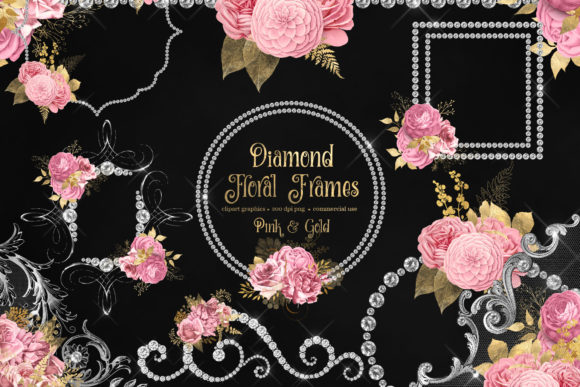
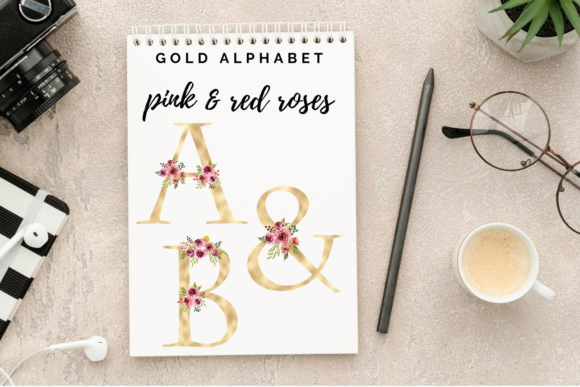
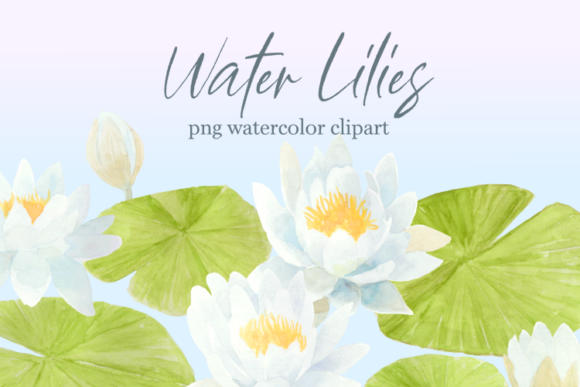
Perhaps no application showcases the strength of water color floral elements quite like stationery. In the realm of wedding invitations, RSVP cards, and get well cards, typography alone often fails to convey the full depth of sentiment. Handpainted florals act as emotional shorthand. Soft blues and greens suggest calm and recovery for get well notes, while lush pinks and golds imply celebration and romance for weddings.
The modular nature of PNG floral elements allows for immense customization in stationery design. A designer might use a large, sweeping branch as a border for a formal invitation, then isolate a single bud for the accompanying envelope liner or place card. This scalability ensures design harmony across an entire suite without the cost of commissioning multiple original paintings. Additionally, the ability to recolor elements means a single artwork collection can serve diverse clients. A sage green wedding theme and a terracotta autumn theme can both be serviced using the same underlying line work, simply adjusted via hue and saturation layers. This efficiency is vital for stationery businesses operating on tight margins and timelines.
Best Practices for Recoloring and Resizing
To maximize the lifespan and utility of water color floral elements, users should adopt specific technical best practices. While these assets are versatile, improper handling can degrade their quality.
- Preserve Original Files: Always keep a master copy of the original high-resolution PNG. Perform all recoloring and resizing on duplicates to prevent irreversible quality loss.
- Use Blend Modes Wisely: When recoloring watercolor in software like Photoshop or Procreate, use "Multiply" or "Color" blend modes rather than simply painting over the image. This preserves the luminosity and paper texture inherent in the medium.
- Mind the Edges: When resizing down significantly, apply slight sharpening to counteract softening. When scaling up, ensure the source resolution supports the enlargement to avoid pixelation that ruins the watercolor illusion.
- Layer for Depth: Do not rely on a single flat layer. Separate shadows, mid-tones, and highlights when possible. This allows for more nuanced recoloring and creates realistic depth when arranging elements into seamless patterns.
- Test Print Before Production: Screen colors rarely match print output perfectly. Always print a test swatch when creating textiles or stationery to verify that the delicate gradients of the watercolor translate correctly to the chosen substrate.
The Future of Hybrid Creativity
The enduring relevance of water color floral elements suggests a broader evolution in how we value digital assets. We are moving away from disposable, trend-chasing graphics toward sustainable, multi-use creative libraries. Professionals and hobbyists alike are recognizing that investing in high-quality, hand-drawn resources yields compounding returns. These elements are not just decoration; they are foundational building blocks for a visual identity that can adapt to new technologies, platforms, and products.
As tools like AI generation become more prevalent, the premium on verified human-created artistry will likely increase. Handpainted watercolor carries an intrinsic signature of human touch that algorithms struggle to replicate authentically. For marketers and creators, leveraging these elements is a strategic differentiation. It signals to the audience that there is a person behind the brand. Whether used to soften a corporate presentation, beautify a protective mask, or celebrate a marriage, water color floral elements remain a vital tool in the modern creative arsenal. Their ability to be cut, pasted, recolored, and reimagined ensures they will continue to bloom across both digital landscapes and tangible goods for years to come.