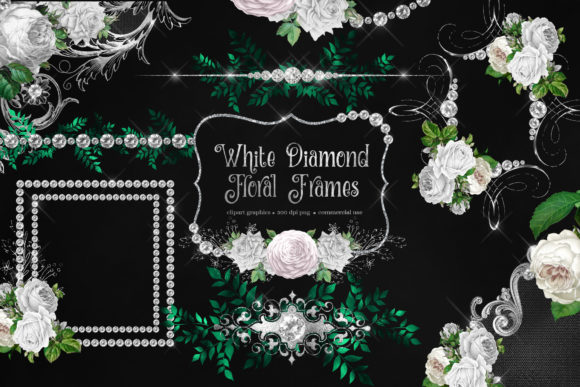
Vintage Frame Floral: Design with Timeless Appeal
In the fast-paced world of digital and print design, trends often cycle through with dizzying speed. Yet, certain aesthetic elements remain perpetually relevant because they tap into a sense of nostalgia, craftsmanship, and organic beauty. The vintage frame floral motif is one such enduring element. Far from being a mere decorative afterthought, this design asset serves as a powerful visual anchor that communicates sophistication, heritage, and warmth. For creators, marketers, and business owners, understanding how to leverage these intricate botanical borders can elevate a project from generic to memorable.
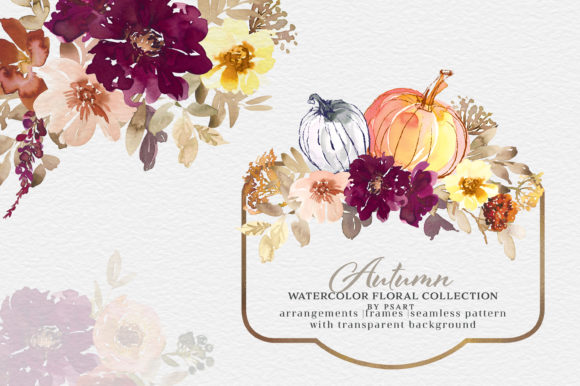
At its core, a vintage frame floral combines structural geometry with organic illustration. Unlike modern minimalist borders, these frames feature hand-drawn or stylized botanical elements—roses, peonies, ivy, wildflowers, or ferns—arranged in a deliberate border formation. They often carry the texture of aged paper, copperplate engravings, or Victorian wallpaper. This duality of structure and nature makes them uniquely versatile, capable of softening rigid corporate layouts or adding necessary weight to delicate personal projects.
Defining Characteristics and Visual Strengths
To use vintage frame floral assets effectively, one must first understand what distinguishes high-quality examples from clip-art clichés. The most effective designs possess specific traits that ensure professional results across various media.
- Organic Asymmetry: Authentic vintage aesthetics rarely rely on perfect symmetry. Look for frames where the floral clusters vary slightly in size and density around the perimeter. This mimics natural growth and hand-painted origins, preventing the design from looking digitally stamped or artificial.
- Textural Integrity: Flat vector graphics often fail to capture the essence of this style. Superior assets include subtle grain, paper texture, or ink bleed effects. These imperfections add tactile depth, making digital screens feel more tangible and printed materials feel more premium.
- Muted Color Palettes: While vibrant florals exist, the "vintage" designation typically implies desaturated tones. Dusty rose, sage green, sepia, slate blue, and cream are standard. These colors reduce visual fatigue and allow foreground content, such as text or photography, to maintain high contrast and readability.
- Negative Space Management: A functional frame must respect the content it holds. Well-designed vintage frame floral assets provide ample clear space in the center. The foliage should guide the eye inward rather than competing with the message inside.
Professional and Commercial Applications
For entrepreneurs and marketers, the decision to use vintage frame floral elements is often strategic. In an era of sterile tech aesthetics, these frames signal human-centric values. They are particularly effective in industries where trust, tradition, and personal care are paramount.
Branding and Packaging: Artisanal food brands, skincare lines, and boutique retailers frequently utilize these frames to justify premium pricing. A jar of honey or a box of tea wrapped in a botanical border suggests small-batch quality and natural ingredients. The frame acts as a seal of authenticity, differentiating the product from mass-market competitors on crowded shelves.
Hospitality and Events: Wedding stationery remains the most obvious application, but the utility extends further. Restaurants and cafes use these frames on menus to evoke farm-to-table freshness or historical charm. Boutique hotels employ them in welcome packets and signage to create an immersive, story-driven guest experience before arrival.
Digital Content Creation: Bloggers and social media managers can use these frames to break up text-heavy feeds. A quote graphic enclosed in a delicate floral border performs exceptionally well on platforms like Instagram and Pinterest because it offers a momentary visual pause. For email newsletters, a subtle header or footer frame can increase engagement by making promotional content feel more like personal correspondence.
Educational and Personal Utility
Beyond commerce, vintage frame floral designs serve practical functions in education and personal organization. Teachers and educators find that framing worksheets, certificates, or reading logs with soft botanical borders can make academic materials feel less intimidating and more inviting, particularly for younger learners or adult education contexts focused on wellness and humanities.
For hobbyists and journalers, these frames provide instant structure. Bullet journalists and scrapbookers often struggle with page composition; a pre-made frame solves the blank page problem immediately. It creates a designated zone for reflection or planning without requiring advanced drawing skills. Digital planners also benefit, as users can import transparent PNG frames to customize their tablet-based organization systems with a touch of analog charm.
Practical Considerations for Implementation
Selecting the right vintage frame floral asset requires more than aesthetic preference; it demands technical and contextual awareness. Professionals should evaluate potential assets against several criteria to avoid common pitfalls.
- Resolution and Scalability: Always verify file specifications. For print work, 300 DPI at final size is non-negotiable. Vector formats (SVG, EPS) are ideal for branding because they scale infinitely without pixelation. Raster files (PNG, JPG) should be significantly larger than intended use to allow for cropping and resizing.
- Licensing Clarity: Commercial use rights vary wildly. Some designers offer free personal-use-only files, while others require extended licenses for products intended for resale. Never assume a frame found via image search is safe for business use. Document your license purchase to protect against future copyright claims.
- Cultural and Historical Accuracy: "Vintage" spans centuries. A Baroque acanthus leaf frame conveys something vastly different from a 1970s prairie-style daisy border. Ensure the specific floral variety and artistic style align with your brand’s actual era or narrative. Misalignment can create cognitive dissonance for knowledgeable audiences.
- Accessibility Compliance: When using these frames digitally, remember that decorative elements should not interfere with screen readers. Mark purely ornamental frames as decorative in alt-text attributes. Ensure sufficient contrast between the frame’s darkest elements and any overlaid text to meet WCAG standards.
Optimizing Workflow and Efficiency
Integrating vintage frame floral assets into a regular workflow can save significant time. Rather than illustrating custom borders for every project, build a curated library of vetted, licensed frames organized by color, orientation, and density. Create smart objects in Photoshop or component libraries in Figma so that swapping frames becomes a one-click action.
Consider creating modular variations. A full rectangular frame might work for certificates, but cropping just the corner cluster could serve as a subtle accent for business cards or web headers. This maximizes the ROI of each asset purchase. Additionally, learn basic masking techniques to blend frames seamlessly over colored backgrounds or photographs, avoiding the "sticker sheet" look that undermines professional credibility.
The enduring popularity of vintage frame floral designs stems from their ability to bridge past and present. They offer a shortcut to emotional resonance that pure typography or abstract geometry cannot achieve alone. Whether you are designing a wedding invitation, launching a heritage brand, teaching a literature class, or simply organizing your thoughts, these botanical boundaries provide both structure and soul. By selecting assets with intention and applying them with technical precision, you transform decoration into communication, ensuring your work resonates deeply with audiences who crave authenticity in an increasingly synthetic world.