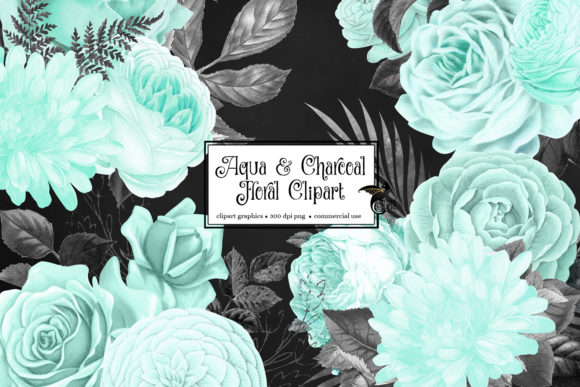
Mastering Design with Aqua and Charcoal Floral Clipart: A Comprehensive Guide to Watercolor Digital Assets
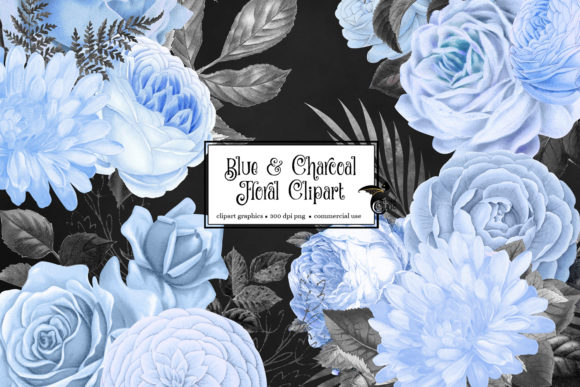
In the evolving landscape of digital design, the intersection of traditional artistry and modern technology has given rise to versatile resources that empower creators of all skill levels. Among these resources, Aqua and Charcoal Floral Clipart stands out as a sophisticated palette choice for contemporary projects. Whether you are a professional graphic designer, a small business owner crafting your brand identity, or a hobbyist preserving memories through scrapbooking, understanding the utility and application of these specific digital embellishments is essential. This guide explores the significance, technical specifications, and creative potential of aqua turquoise, gray, and black watercolor flower clipart, helping you leverage these assets to elevate your visual communication.
The Psychology and Aesthetics of Aqua and Charcoal
Before diving into the technical aspects of using Aqua and Charcoal Floral Clip Art, it is important to understand why this specific color combination resonates so deeply in modern design. Color theory plays a pivotal role in how an audience perceives a project. Aqua and turquoise are often associated with tranquility, clarity, and renewal. They evoke feelings of water and sky, providing a sense of calm and openness. In contrast, charcoal and black provide grounding, sophistication, and high contrast.
When combined in a watercolor medium, these colors create a balance between softness and structure. The fluidity of watercolor allows the aqua tones to bleed gently into the grays, creating organic transitions that feel hand-painted and authentic. This duality makes the palette exceptionally versatile. It is neither too feminine nor too stark, allowing it to bridge gaps between different design demographics. For wedding invitations, it suggests modern elegance; for corporate stationery, it implies approachable professionalism; and for educational materials, it offers visual interest without being overwhelming.
Understanding Digital Clipart Specifications
To utilize floral clipart effectively, one must understand the technical foundation of the files. When acquiring a collection such as the 41-piece set described here, you are engaging with industry-standard digital assets designed for high-quality output.
The Importance of PNG and Transparent Backgrounds
The format of your clipart dictates its usability. These assets are provided as individual PNG files with transparent backgrounds. Unlike JPEGs, which flatten images against a white or colored background, PNGs support alpha transparency. This means the "canvas" behind the flower is invisible. You can layer an aqua peony directly over a charcoal invitation card, a photograph, or a textured paper background without unsightly white boxes obscuring your design. This layering capability is the cornerstone of digital collage and modern layout design.
Resolution and Print Quality
A common misunderstanding among beginners is assuming that any digital image will look good when printed. However, screen resolution (typically 72 or 96 DPI) differs vastly from print requirements. These floral embellishments are rendered at 300 dpi (dots per inch). This is the gold standard for commercial and home printing. At this resolution, the delicate edges of the watercolor brushstrokes remain crisp, and the color gradients do not appear pixelated or blurry. Whether you are printing a 5x7 invitation or a large-format poster, maintaining this resolution ensures that the tactile quality of the watercolor aesthetic is preserved in the physical realm.
Versatility Across Creative Disciplines
The true value of Aqua and Charcoal Floral Clipart lies in its adaptability across various sectors of modern life and work. These assets are not merely decorative; they are functional tools for visual storytelling.
Event Stationery and Wedding Design
The wedding industry has shifted away from rigid formality toward personalized, organic aesthetics. This specific clipart collection includes four assembled bouquets, which serve as ready-made focal points for invitation suites. However, the inclusion of 37 individual elements allows for bespoke customization. Designers can scatter individual leaves and buds along the edges of a menu card or create a custom wreath for a place card. The aqua and charcoal palette is particularly relevant for beach weddings, winter galas, or modern minimalist ceremonies where traditional pinks and reds may feel out of place.
Scrapbooking and Memory Keeping
In the realm of memory keeping, digital scrapbooking has revolutionized how we preserve history. Physical photos can now be enhanced with digital art without risking damage to the original prints. The watercolor texture of these flowers adds a layer of warmth and nostalgia that flat vector graphics often lack. Because the files are transparent PNGs, memory keepers can blend these florals seamlessly with scanned vintage documents or modern digital photographs, creating cohesive layouts that honor the past while utilizing present-day technology.
Branding and Small Business Identity
For entrepreneurs, consistent visual branding is crucial. Floral clipart is frequently used in logo design, social media templates, packaging, and website headers. The muted yet vibrant tone of aqua paired with neutral charcoal works exceptionally well for businesses in wellness, beauty, coaching, and artisanal retail. Using these pre-made elements allows business owners to achieve a high-end, custom-illustrated look without the expense of commissioning original paintings. It democratizes access to beautiful design, enabling startups to compete visually with established brands.
Maximizing the Asset Collection: Bouquets vs. Individual Elements
A significant advantage of this specific collection is the ratio of assembled to individual components. Understanding how to use both types is key to avoiding repetitive designs.
- Assembled Bouquets: Use these as anchor points. They are professionally arranged with proper negative space and color balance. They save time and serve as excellent starting points for center-aligned designs like invitation covers or social media announcements.
- Individual Elements: These are your building blocks for unique compositions. Use them to create borders, fill awkward empty spaces in a layout, or build entirely new arrangements that fit non-standard dimensions. Mixing individual stems from different flowers creates organic variety that mimics real-life botanical arrangements.
- Layering Techniques: Combine the two. Place an assembled bouquet as a base, then overlay individual darker charcoal leaves to add depth, or place lighter aqua petals on top to create highlights. This technique adds dimensionality to flat digital designs.
Educational Value and Skill Development
Beyond their immediate practical use, working with high-quality floral clipart serves an educational purpose for aspiring designers. Manipulating these elements teaches fundamental principles of composition, balance, and color harmony. Beginners can study how the four pre-assembled bouquets are constructed to understand focal points and visual flow. By deconstructing and rebuilding arrangements using the 37 individual elements, learners develop an intuitive sense of spacing and scale.
Furthermore, these assets facilitate learning in software proficiency. Whether using Adobe Photoshop, Illustrator, Canva, or Procreate, importing and manipulating transparent PNGs is a foundational digital literacy skill. Students and self-taught creatives can experiment with blending modes, opacity adjustments, and color overlays using these safe, reversible digital elements before attempting to paint from scratch.
Common Misconceptions About Digital Florals
Despite their popularity, some misconceptions persist regarding digital clipart. Addressing these helps users make informed decisions.
Misconception: Digital art lacks the soul of traditional media.
While generated digitally or digitized from traditional sources, high-resolution watercolor clipart retains the imperfections, grain, and flow of real pigment. When printed on textured cardstock, the distinction between digital and analog becomes negligible to the untrained eye.
Misconception: Clipart limits creativity.
On the contrary, having a robust library of 41 individual elements removes the barrier of "blank page syndrome." Constraints often breed creativity. Having a specific color palette and style forces designers to think more innovatively about layout and typography rather than getting stuck on illustration.
Misconception: All PNGs are created equal.
Not all clipart is 300 dpi or cleanly extracted. Low-quality assets can ruin a project. Always verify resolution and transparency before purchasing or downloading. The specification of "transparent background at 300 dpi" is a marker of professional-grade utility suitable for both web and print.
Conclusion: Integrating Art into Modern Workflow
Aqua and Charcoal Floral Clipart represents more than just a trend; it is a testament to the enduring appeal of botanical art adapted for the digital age. By combining the soothing psychology of turquoise and gray with the technical precision of high-resolution PNGs, these assets offer a bridge between artistic expression and practical application. From enhancing wedding invitations to streamlining business branding and facilitating educational growth, the utility of this 41-piece collection is vast.
As we continue to navigate a world where digital and physical experiences increasingly merge, possessing the skills to select, manipulate, and apply such resources is invaluable. Whether you are assembling a pre-made bouquet for a quick project or painstakingly arranging individual elements for a custom masterpiece, these watercolor embellishments provide the flexibility and quality necessary to bring your creative vision to life with confidence and elegance.